

Why Ships Are Toxic
The Toxic Legacy of Ships
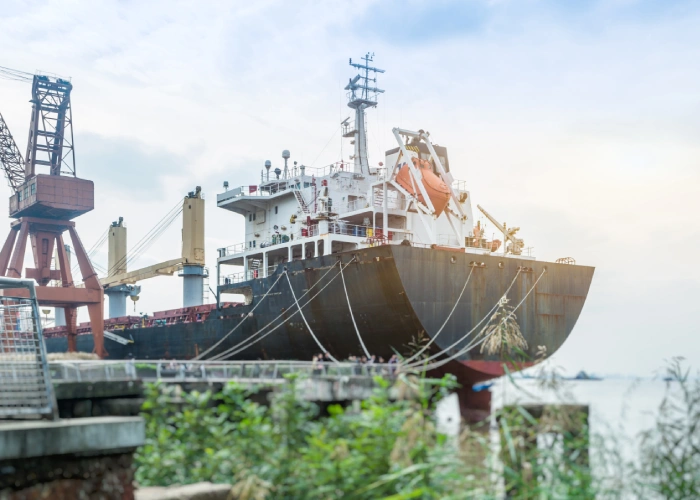
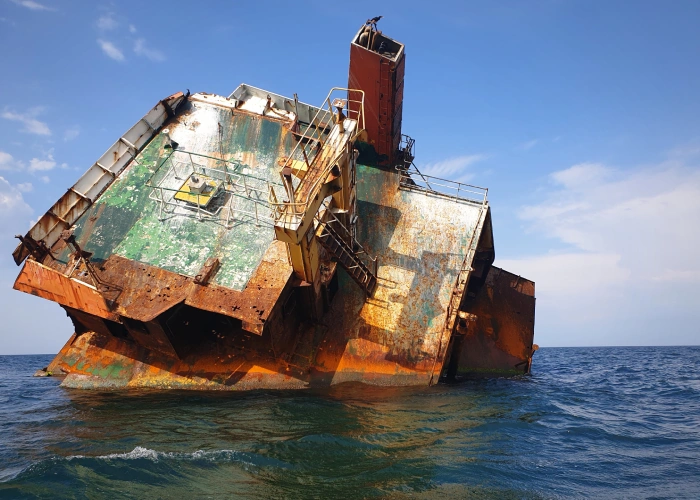
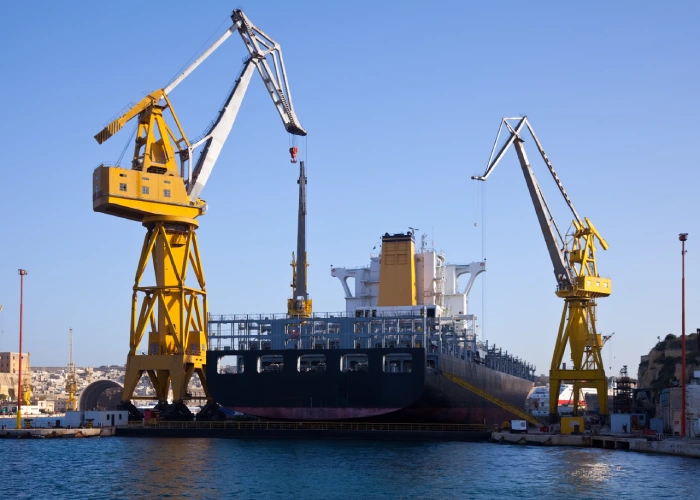
When ships reach the end of their operational lives, they become hazardous waste due to the toxic materials embedded within their structures. Proper identification, removal, and disposal of these materials are crucial to protect workers and the environment. The Hong Kong Convention is firmly committed to educating all stakeholders and setting global standards to ensure the safe handling and recycling of ships, preventing harmful exposures and environmental contamination.
The Danger of Beaching
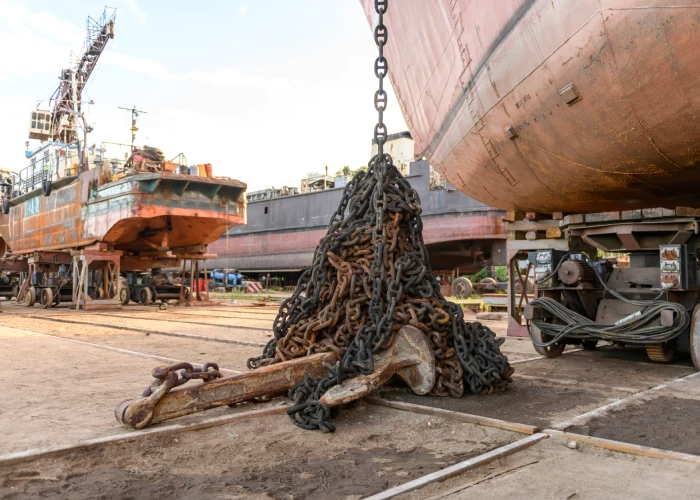
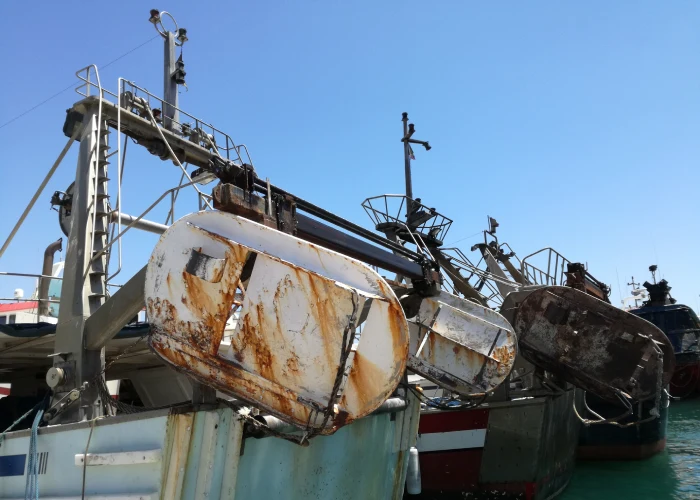
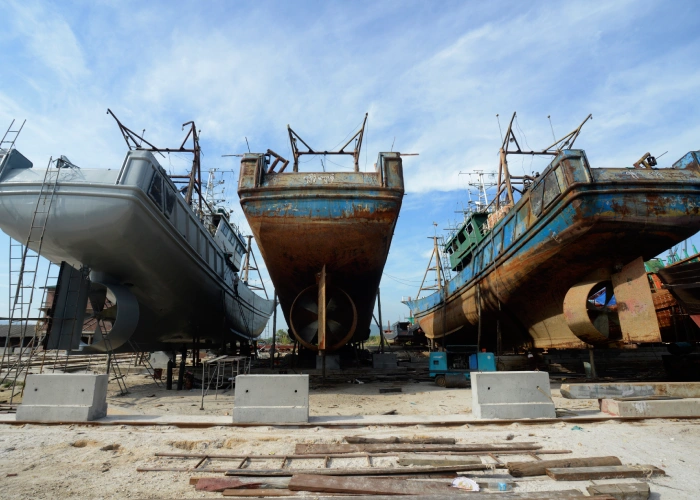
Beaching, the practice of dismantling ships on open beaches in South Asia, remains prevalent despite its significant risks. Due to the lack of proper infrastructure, training, and regulatory oversight, toxic waste contaminates coastal areas, workers face hazardous exposures, and local communities are endangered by the resale of contaminated ship parts. The Hong Kong Convention advocates moving away from beaching towards safer, regulated recycling facilities.
Asbestos Exposure
Asbestos, found in large quantities on most ships, poses grave health risks when disturbed during dismantling. Fibers can remain airborne, causing fatal diseases years after exposure. The Hong Kong Convention requires rigorous training, protective equipment, monitoring, and safe disposal to minimize asbestos risks to workers and nearby communities.
Heavy Metals
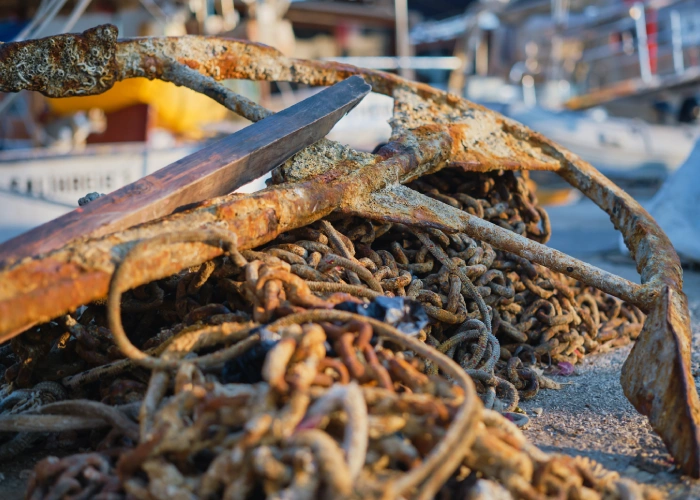
Ships contain toxic heavy metals like mercury, lead, and cadmium in paints, batteries, and electrical parts. Prolonged exposure can cause severe neurological and physical harm. The Convention promotes strict inventories and safe handling protocols to limit these dangers and encourage responsible recycling.
Mineral Oil and Pollution
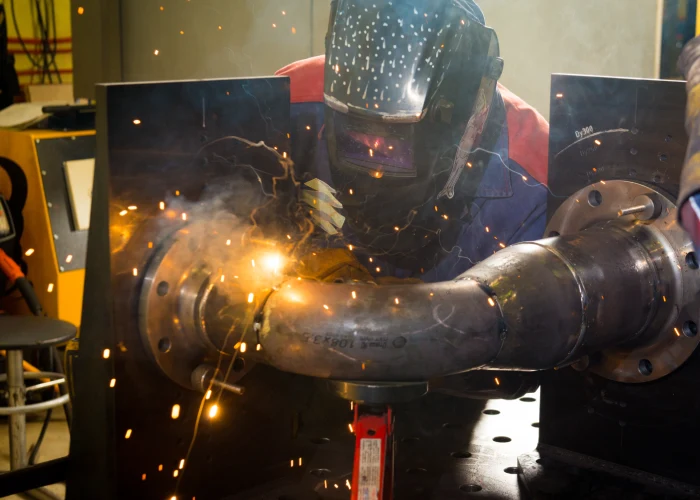
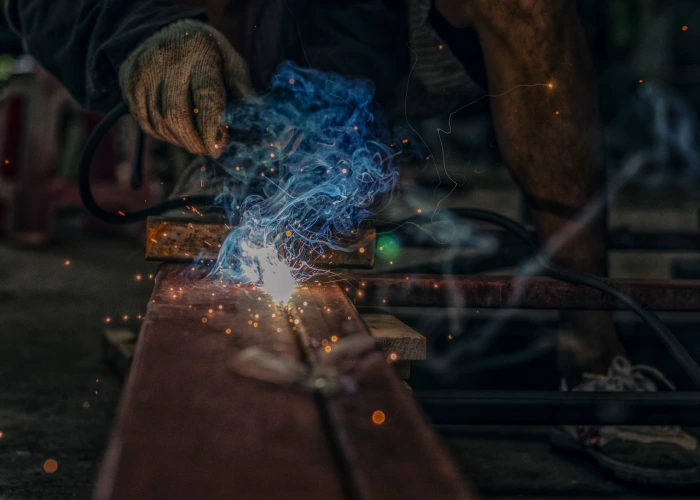
Torch-cutting on ships releases toxic fumes from oils and fuels, posing explosion risks and contaminating food and water sources. The Convention stresses safe procedures, thorough degassing, and environmental safeguards to protect health and ecosystems.
Managing Bilge and Ballast Water
Bilge and ballast water harbor pollutants and invasive species. Proper controlled handling is mandated by the Convention to prevent the release of hazardous substances, protecting marine life and human health.
Harmful Chemicals: PAHs, PCBs, and Organotins
Carcinogenic PAHs, persistent PCBs, and toxic organotin compounds present further environmental and health hazards during shipbreaking. The Convention calls for their identification, removal, and containment to limit exposure and ecosystem damage.
Radioactive Materials (NORM)
Naturally occurring radioactive materials can accumulate in oil and gas extraction equipment on ships. The Convention requires specialized training and handling for these radioactive wastes to safeguard workers and the environment.
Education and Safety Commitment
Central to the Hong Kong Convention’s mission is education and training. It implements comprehensive programs to ensure all involved parties understand hazards and follow safety protocols, fostering a culture of safety, transparency, and environmental responsibility in ship recycling worldwide.
Partner with the Hong Kong Convention to Promote Safe Ship Recycling
By adhering to the Convention’s standards and education initiatives, the global maritime community can protect lives and ecosystems from the dangers inherent in outdated dismantling practices.