

Child Labour in Shipbreaking
Illegal Yet Pervasive in Bangladesh
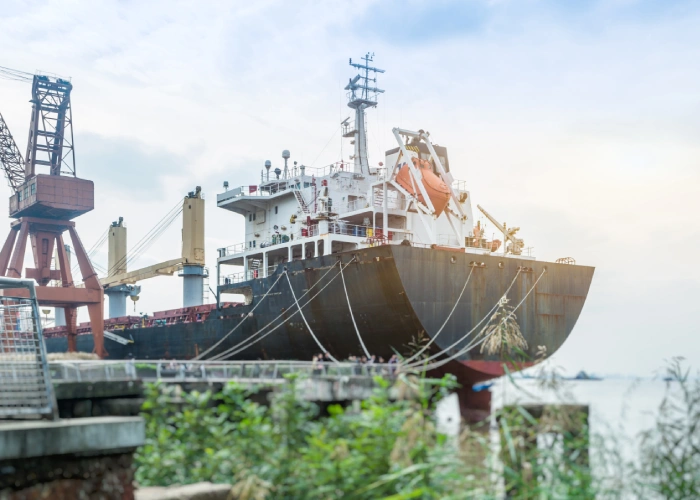
Despite laws prohibiting child labor in hazardous industries, children as young as 15 are still illegally employed in Bangladesh’s shipbreaking yards, often on night shifts to evade inspection. In recent studies, 13% of shipbreaking workers were found to be under the age of 18, confirming ongoing exploitation. Employers frequently deny hiring children, and injured child workers are left without compensation, forcing their families to bear the cost of medical treatment.
The Health and Safety Risks
Children in shipbreaking face severe risks: constant exposure to toxic fumes, asbestos fibers, and hazardous sludge, without adequate protective gear or safety training. Young workers report chronic symptoms like headaches and dizziness, with increased life-long risks for cancer and serious injury. Many work unprotected as “sweepers” clearing toxic mud and sludge or as cutter helpers assisting with dangerous torch-cutting operations.
Exploitative Work and Vulnerable Lives
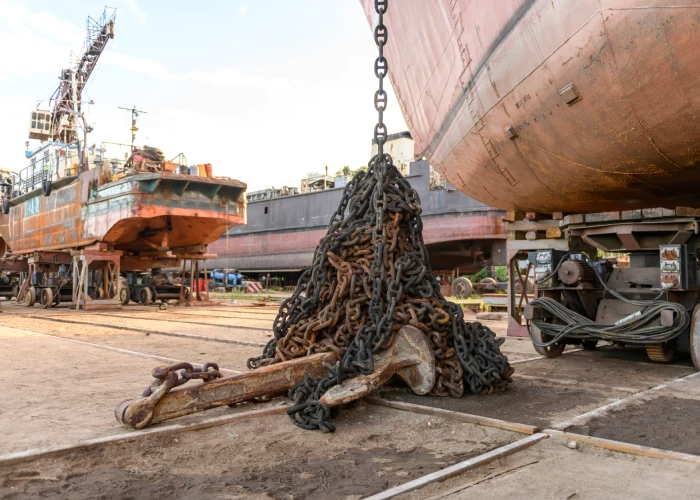
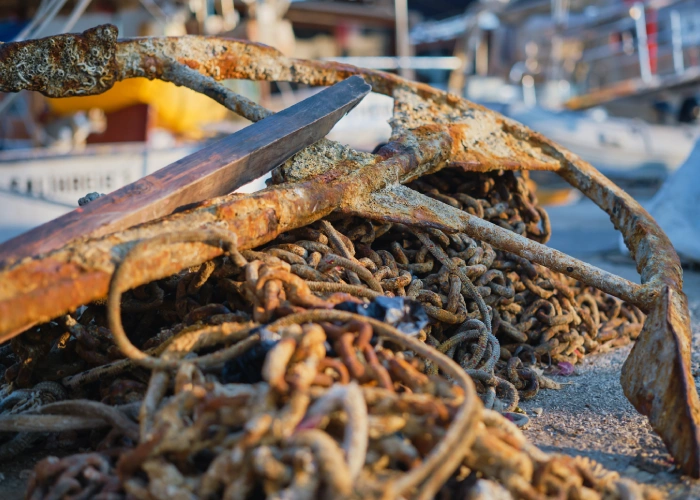
Children are drawn into shipbreaking both by poverty, families in crisis needing higher wages, and by demand from operators seeking a cheap, compliant, and easily managed workforce. The youngest often handle the most dangerous cables and chains, or fix steel parts while working 12–15 hour days, exposing themselves to constant physical risk without the ability to assert their rights or seek union protection.
Legal Framework: Gaps and Failures
Bangladesh has ratified the International Labour Organization (ILO) Convention on Worst Forms of Child Labour and adopted a national Labour Act, but enforcement is minimal. While occasional inspections take place, penalties are rare and no owner has been held responsible for child labor in shipbreaking, even following severe accidents or deaths. Data shows most child workers labor in the informal sector, where oversight is weakest.
Push and Pull Factors
Major drivers include poverty stemming from floods, loss of land, family crisis, and unmanageable debt. Shipbreaking work offers higher wages but at severe personal risk. Simultaneously, operators are incentivized to hire children because they cost less and are easier to control, reinforcing a cycle of exploitation and missed opportunities for education and personal development.
International Obligations and Advocacy
The ILO and other agencies have characterized shipbreaking at Chattogram as one of the world’s most hazardous occupations for children. Bangladesh’s commitment to eliminate child labor in the worst forms is far from realized. Structural issues, ranging from corruption to family hardship, continue to fuel this cycle. Globally, more robust international interventions and monitoring are called for to protect vulnerable children from hazardous work.
End Child Labour in Shipbreaking, Stand for Safety and Rights
Child labor in shipbreaking is a violation of national and international law, exposing workers to irreversible harm. Support stronger inspections, enforcement, education, and social programs to break the cycle of exploitation and ensure every child’s right to a safe, healthy future.