

Flags of Convenience (FOCs)
What Are Flags of Convenience?
International law, through the United Nations Convention on the Law of the Sea (UNCLOS), requires every ship to be registered under a “flag state,” granting that country regulatory authority. In principle, there should be a “genuine link” between a ship and its flag state. However, many registries, called “flags of convenience”, remove nationality requirements and offer registration to anyone, often for lower taxes and minimal oversight. Over 70% of the world fleet sails under a flag not tied to its owner’s nationality, with Panama, the Marshall Islands, and Liberia leading the list.


How Do Flags of Convenience Work?
Unlike many traditional shipping registries that are state-run, most FOC registries operate as private companies or foreign agents. These open registries make it fast and affordable for shipowners to register any vessel, regardless of actual ownership or operations. Ship owners choose FOCs to benefit from low costs, opaque ownership, reduced taxes, and minimal labor, safety, and environmental regulation. Registration can often be completed online and transferred at short notice, a practice called “flag hopping”.
Why Is Flag State Jurisdiction a Global Challenge?
Flag states maintain significant influence at the International Maritime Organization (IMO), where major flag registries exercise outsized voting power in setting global rules. Because all conventions only take effect once ratified by states with a sizable share of the world fleet, shipowners ultimately influence which countries shape and enforce industry standards. The ease of swapping flags undermines efforts to hold shipowners accountable for labor, safety, and environmental abuses.
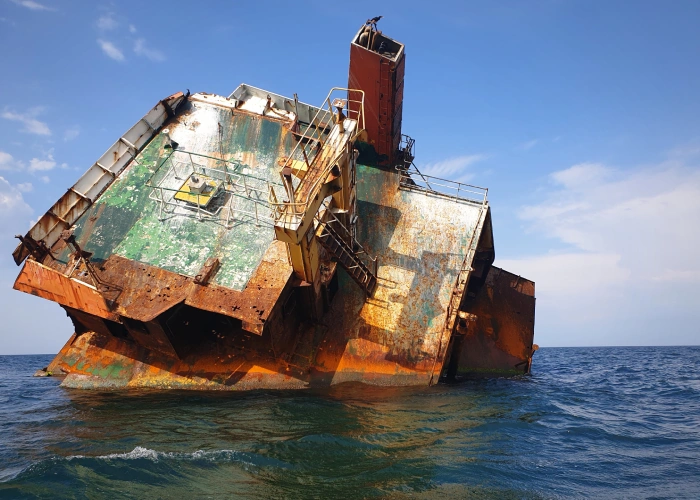

FOCs and Shipbreaking: Shifting Responsibility at End-of-Life
For end-of-life vessels, the gulf between beneficial ownership and flag registry grows even larger. Many FOCs, almost never used during a ship’s active service, surge in popularity for final voyages to scrap yards along South Asian beaches. Registries in places like St Kitts and Nevis, Comoros, and Palau offer “last voyage” packages with no due diligence or owner requirements, facilitating dangerous, unregulated shipbreaking prone to human rights and environmental abuses.
The Limits of Current Regulatory Regimes
Efforts to regulate ship recycling through flag state jurisdiction alone consistently fall short, as owners can easily reflag ships to non-parties or non-compliant end-of-life registries. Loopholes let hazardous waste flow to the path of least resistance, undermining global conventions and perpetuating unsafe, polluting shipbreaking. The Hong Kong Convention does introduce some standards, but without obligations on shipowners beyond flag state or shipbreaking country, it is insufficient to drive a full shift to responsible dismantling.


Rethinking Solutions: Moving Beyond FOCs
True reform requires going beyond flag state controls, enacting direct obligations for shipowners, adopting the polluter-pays principle, and creating financial or regulatory incentives such as the EU’s port-entry regime. Only by closing FOC loopholes and tying responsibility to beneficial ownership and ship operation can the shipping industry advance meaningful protections for workers, communities, and the marine environment.
Redefine Responsibility in Global Shipping
Flags of convenience are not just a legal technicality, they are a challenge to transparency and accountability across maritime trade and ship recycling. Demand reform that places responsibility where it belongs: with the true shipowners and operators. Support global regulatory change to close loopholes and make safe, ethical ship recycling the universal standard.