

The Problem
Ships as Waste: The Need for Sustainable Recycling
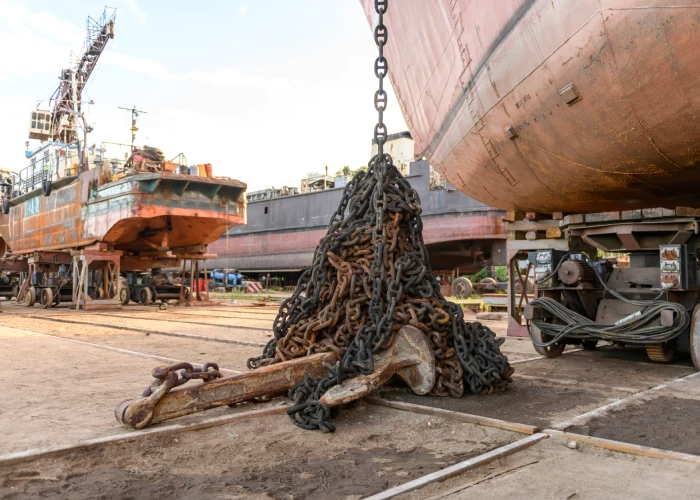
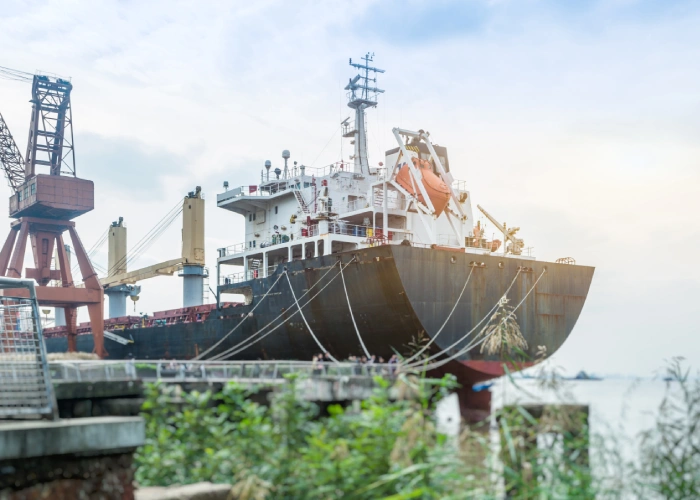
Ships, like the goods they carry, become waste at the end of their operational lives. Recycling is the most environmentally friendly and economically sound way to dispose of end-of-life vessels, enabling recovery of valuable materials like steel, iron, aluminum, and plastics. Yet, only a small fraction of obsolete ships undergo safe and clean dismantling. Shipbreaking is a heavy, hazardous industry exposing workers and the environment to significant risks.
Geographic Shift in Shipbreaking
Until the 1970s, major shipbreaking was concentrated in Europe and the US, but tightening environmental and social regulations drove the industry to countries with weaker frameworks. Today, over 70% of decommissioned ships are dismantled on beaches in South Asia, notably Alang in India, Chattogram in Bangladesh, and Gadani in Pakistan, a practice known as “beaching.”
Human and Environmental Costs
Beaching exposes workers, often vulnerable migrant laborers, to high rates of injury, disease, and fatal accidents due to unsafe conditions and toxic exposures. Coastal ecosystems and communities face devastating pollution from spills and untreated hazardous waste due to lack of infrastructure for safe waste management.
Global Distribution of Shipbreaking
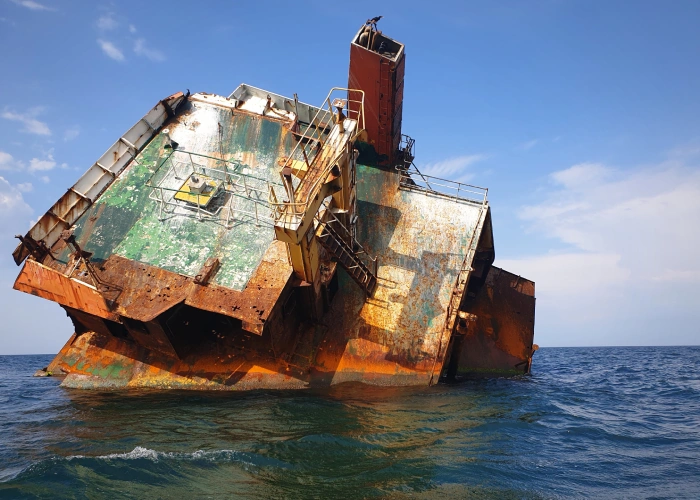
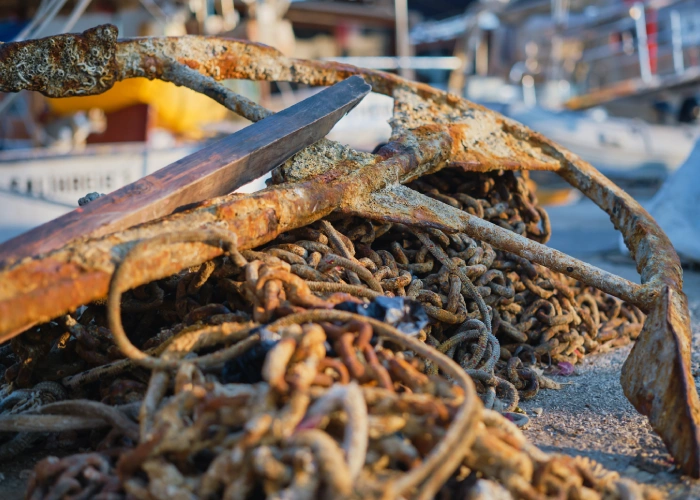
Turkey is a significant destination aside from South Asia, while cleaner and safer recycling facilities in the rest of the world account for just 3% of global ship dismantling. Even in these safer yards, challenges like inadequate hazardous waste management and labor rights violations persist.
Child Labour and Worker Safety Concerns
Shipbreaking is one of the world’s most dangerous occupations, with unacceptably high incidents of injuries and occupational illnesses. Exploitation, including child labor in certain regions, compounds these risks, highlighting the urgent need for enforced protections.


Circumventing Responsibility: Cash Buyers and Flags of Convenience
Ship owners often avoid accountability by selling vessels to cash buyers who are linked to risky beaching operations. These intermediaries use flags of convenience, enabling easy flag changes to obscure ownership, to evade environmental and labor regulations. This system prioritizes profit over human life and ecological health, perpetuating unsafe and polluting ship dismantling practices.
Demand Safe, Accountable Ship Recycling Practices
Support global efforts to end hazardous beaching practices by promoting responsible ownership, enforced regulations, and transparency. Advocate for the adoption of safe, environmentally sound recycling alternatives that protect workers, communities, and the oceans.